In recent years, minimally invasive surgeries (MIS) have revolutionized the field of orthopaedic care, offering patients a safer and more efficient alternative to traditional surgical procedures. These advanced techniques significantly reduce recovery time, minimize post-operative pain, and enhance overall patient outcomes. With leading hospitals such as the Best Minimally Invasive Surgery Hospital in Yelahanka and the Best Minimally Invasive Surgery Hospital in Bangalore, patients now have access to cutting-edge orthopaedic treatments.
Understanding Minimally Invasive Surgery in Orthopaedics
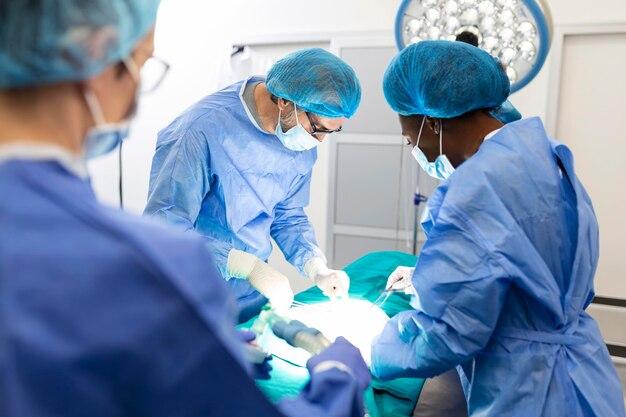
Minimally invasive surgery (MIS) involves performing surgical procedures with smaller incisions compared to traditional open surgery. In orthopaedics, MIS is widely used for joint replacements, ligament repairs, spine surgeries, and fracture fixations. Surgeons use advanced imaging technologies, specialized instruments, and robotics to perform precise interventions with minimal tissue disruption.
Unlike conventional open surgeries that require large incisions, MIS techniques rely on small incisions through which specialized tools, cameras, and robotic-assisted instruments are inserted. These advancements have made orthopaedic procedures safer, more accurate, and less painful for patients.

Advancements in Minimally Invasive Orthopaedic Surgeries
Children deserve the best care, and our Pediatric & Neonatology department is equipped to handle:
- 1. Arthroscopic Surgery
- Meniscus tears
- ACL (anterior cruciate ligament) injuries
- Rotator cuff tears
- Cartilage damage
- 2. Minimally Invasive Joint Replacement
- 3. Robotic-Assisted Surgery
- Reduced surgical errors
- More precise implant placement
- Faster recovery and improved mobility
- 4. Minimally Invasive Spine Surgery (MISS)
- Less post-operative pain
- Faster return to daily activities
- Reduced risk of infections
- 5. Percutaneous Fracture Fixation
Arthroscopy is one of the most widely used minimally invasive techniques in orthopaedics. It involves inserting a small camera (arthroscope) into the joint through tiny incisions, allowing surgeons to diagnose and treat joint conditions with precision. This technique is commonly used for treating conditions like:
Traditional joint replacement surgeries required large incisions and extensive tissue disruption. However, with minimally invasive techniques, surgeons can replace damaged joints with smaller incisions and less soft tissue damage. Minimally invasive knee replacement and hip replacement surgeries are now widely available at the Best Minimally Invasive Surgery Hospital in Yelahanka and the Best Minimally Invasive Surgery Hospital in Bangalore.
Robotic technology has further advanced minimally invasive orthopaedic surgery, providing greater precision and accuracy. With robotic-assisted procedures, surgeons can plan and execute surgeries with enhanced control, leading to:
Spinal disorders such as herniated discs, spinal stenosis, and degenerative conditions can now be treated with MISS techniques. Using fluoroscopic guidance and endoscopic tools, spine surgeons perform delicate procedures with minimal trauma to surrounding tissues. MISS procedures offer:
Minimally invasive techniques have transformed fracture management by allowing surgeons to stabilize broken bones through tiny incisions. This method is particularly beneficial for elderly patients, reducing complications associated with traditional open reduction and internal fixation (ORIF) surgeries.
Key Benefits of Minimally Invasive Orthopaedic Surgeries
The Best Minimally Invasive Surgery Hospital in Yelahanka and the Best Minimally Invasive Surgery Hospital in Bangalore offer state-of-the-art facilities for MIS procedures, providing numerous advantages over traditional surgeries:
- Faster Recovery Time: Smaller incisions mean less trauma to muscles and tissues, allowing patients to recover more quickly. Many patients can resume daily activities sooner than with conventional surgery.
- Reduced Post-Operative Pain: Since MIS techniques minimize tissue damage, patients experience less pain and discomfort after surgery. This also reduces the reliance on pain medications.
- Lower Risk of Infections and Complications: With smaller incisions and reduced exposure of internal tissues, the risk of infections and post-surgical complications is significantly lower.
- Minimal Scarring: Smaller incisions lead to less noticeable scars, which is a significant cosmetic advantage, especially for younger patients.
- Shorter Hospital Stays: Patients undergoing MIS procedures often require shorter hospital stays, sometimes even being discharged on the same day in select cases. This not only reduces healthcare costs but also enhances the overall patient experience.
- Improved Surgical Precision: With advancements such as robotic-assisted surgery, surgeons can achieve unparalleled precision, leading to better long-term outcomes for patients.
Choosing the Best Hospital for Minimally Invasive Orthopaedic Surgeries
When seeking minimally invasive surgery, selecting the right hospital is crucial. The Best Minimally Invasive Surgery Hospital in Yelahanka and the Best Minimally Invasive Surgery Hospital in Bangalore offer advanced medical infrastructure, expert orthopaedic surgeons, and state-of-the-art robotic technology to ensure the highest standard of care.
For patients in and around Hebbal, the Top Multi Specialty Hospital in Hebbal provides world-class orthopaedic care, including MIS procedures, joint replacements, and robotic-assisted surgeries.
Conclusion
Minimally invasive surgeries have transformed orthopaedic care, offering patients safer, more effective treatment options with faster recovery and less pain. With technological advancements and the availability of world-class healthcare facilities, patients can now access high-quality MIS treatments at the Best Minimally Invasive Surgery Hospital in Yelahanka, the Best Minimally Invasive Surgery Hospital in Bangalore, and the Top Multi Specialty Hospital in Hebbal. If you're considering orthopaedic surgery, exploring minimally invasive options could be the best decision for your long-term health and mobility.



.png)
.png)